
Luxury 3 BHK Flats in Sambhajinagar | Buyer's ..
Jul 19 - 2026
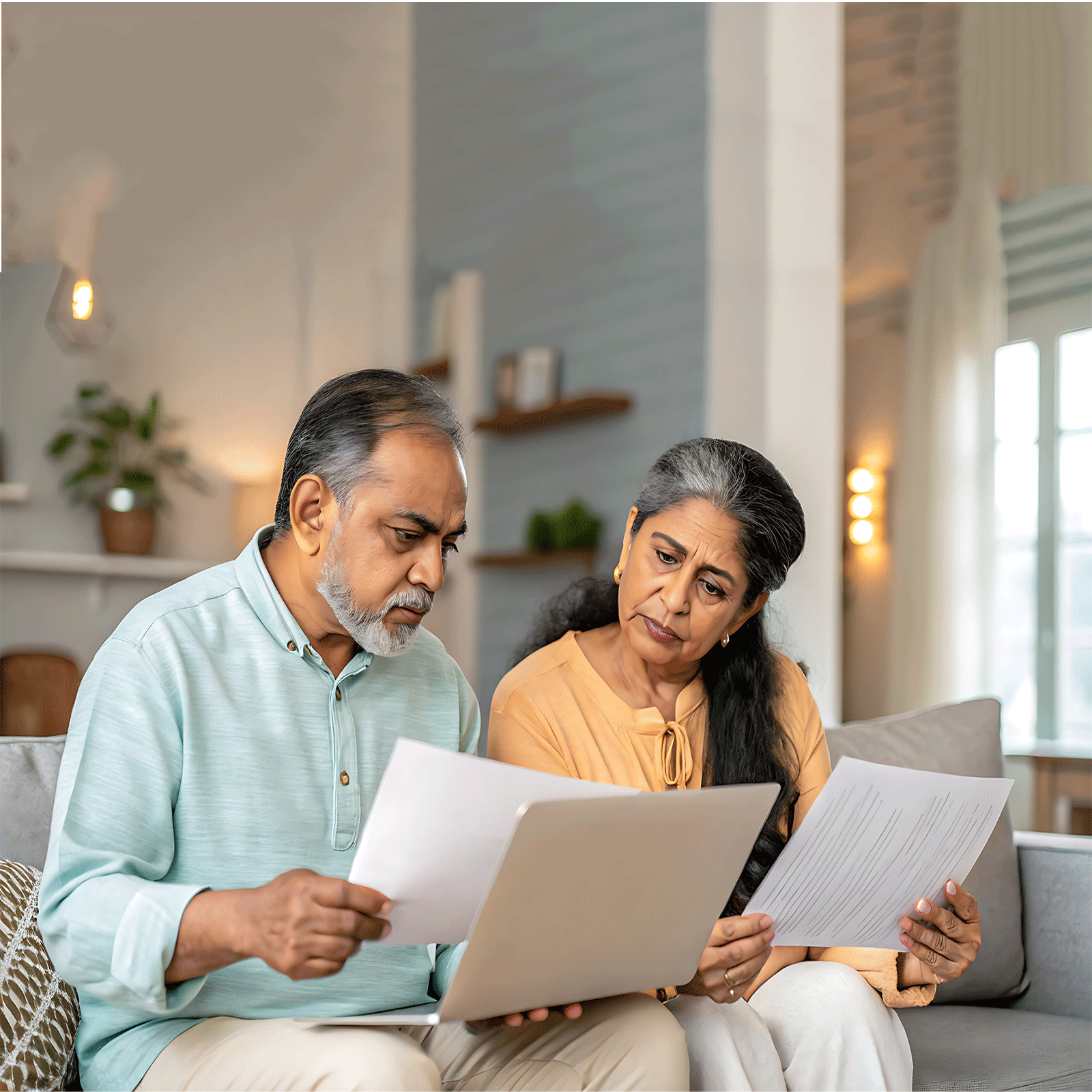
A Detailed Guide for Homeowners and Real Estate Investors Property tax is one of the oldest and most consistent forms of revenue collected by municipal corporations across India. For senior citizens, this annual expense can be a financial burden, especially when they depend on fixed retirement income. Recognizing this, many municipal corporations and state governments offer property tax rebates and concessions for senior citizens. However, the eligibility criteria, percentage of rebate, and application process vary by city and state. This article explains how these benefits work, what documents are required, and how senior citizens can take advantage of them. Property tax in India is a municipal-level levy governed by local urban bodies under each state’s municipal laws. There is no single national law that defines senior citizen property tax benefits. Instead, each municipal corporation—for example, those in Delhi, Mumbai, Pune, Bengaluru, or Chennai—sets its own structure of rebates and eligibility rules. As a result, property tax benefits for senior citizens differ across regions and must be verified through the respective municipal authority. Although specific rebates vary, several forms of property tax relief are commonly offered: Percentage-based rebates: Typically between 10% and 40% of the total property tax for self-occupied homes. Self-occupied property discounts: Concessions apply only to homes that are owned and occupied by the senior citizen, not rented out. Additional rebates for women or ex-servicemen: Some cities provide higher discounts to women senior citizens or veterans. Amnesty and waiver programs: During special municipal drives, senior citizens may receive temporary interest or penalty waivers on overdue tax payments. The Municipal Corporation of Delhi offers rebates for senior citizens on self-occupied residential properties. The rebate percentage is usually around 30%, subject to conditions like property size and ownership proof. Municipal bodies in Maharashtra, including the Brihanmumbai Municipal Corporation (BMC) and the Pune and Pimpri-Chinchwad Municipal Corporations, provide property tax relief to senior citizens. Rebates generally range from 20% to 30% for self-occupied residential properties. The Pune Municipal Corporation (PMC) allows property tax rebates for self-occupied homes. Senior citizens can apply by submitting a prescribed form with supporting documents, such as proof of age and ownership. Some categories have received up to 40% rebates in recent years. Bengaluru’s municipal corporation, the BBMP, does not offer a uniform rebate across all wards, but senior citizens can benefit from specific concessions announced in periodic schemes or special drives. Although details vary from one city to another, the general eligibility conditions include: Age: The applicant must be at least 60 years old. In some cities, special benefits are given to those aged 65 or above. Ownership: The property must be registered in the name of the senior citizen or jointly with a spouse. Self-occupation: The benefit usually applies only to residential properties occupied by the owner. No pending dues: Municipalities often require all previous tax payments to be cleared before approving a rebate. To apply for a senior citizen property tax concession, applicants generally need to submit: Proof of age (Aadhaar card, PAN card, passport, or voter ID) Proof of ownership (sale deed or property tax bill) Proof of self-occupation (electricity bill or self-declaration affidavit) Completed rebate application form (available on the municipal website or ward office) Most municipal corporations now allow online applications for property tax concessions. The process generally includes: Visit the municipal property tax portal of your city. Log in or register using your property identification number. Fill out the rebate application form and attach the necessary documents. Submit the form online or in person at the local ward office. Track application status and ensure that the approved rebate is reflected in the next tax cycle. For cities where online facilities are not available, applications can be submitted manually at the local tax department office. Several cities and state governments have introduced measures to make tax payments easier for senior citizens: Amnesty programs are launched periodically to waive penalties or interest for delayed payments. Digital initiatives have simplified the process of applying for rebates and paying taxes online. Senior-living incentives in some states offer reduced property taxes for registered retirement communities or senior housing projects. These trends indicate an increasing recognition of senior citizens’ financial challenges and an effort to support them through local tax relief measures. Assuming automatic eligibility: Senior citizen rebates are not automatically applied. A formal application is required. Ignoring local variations: Rules differ between cities, so always check the official municipal guidelines before applying. Renting out the property: Most rebates apply only to self-occupied homes; renting the property can disqualify you. Not keeping documentation updated: Failing to provide updated age or ownership proof can delay or cancel rebate approval. Check your municipal corporation’s website annually for updated rebate percentages and deadlines. Keep all tax receipts and proof of age safely for future renewals. Apply early in the financial year to ensure that the rebate reflects in the first property tax bill. Take advantage of special waiver or amnesty schemes when announced. Verify whether your local municipal body offers a senior citizen rebate. Confirm your eligibility based on age, ownership, and self-occupation. Collect all required documents before applying. Submit your application online or in person and retain the acknowledgment copy. Review your next property tax bill to confirm the rebate has been applied. Property tax rebates for senior citizens in India are an essential financial relief measure that can significantly reduce annual expenses. Although these benefits vary across states and municipalities, they share a common goal—to support older citizens and make homeownership more affordable in retirement. Every senior homeowner should verify local rules, maintain proper documentation, and apply for the rebate within the prescribed timeline. A small amount of effort can translate into meaningful annual savings and ensure compliance with all municipal regulations.Property Tax Benefits for Senior Citizens in India
1. How Property Tax Rules for Senior Citizens Are Governed
2. Common Property Tax Benefits Available to Senior Citizens
3. Examples of Property Tax Benefits in Major Indian Cities
Delhi
Mumbai and Other Municipalities in Maharashtra
Pune
Bengaluru
4. Eligibility Criteria for Senior Citizen Property Tax Benefits
5. Documents Required for Application
6. How to Apply for Property Tax Benefits
7. Recent Policy Trends and Developments
8. Common Mistakes to Avoid
9. Practical Tips to Maximize Your Benefits
10. Checklist for Senior Citizens
Jul 19 - 2026

Jul 04 - 2026

Jun 26 - 2026

Jun 12 - 2026
Jul 19 - 2026
Jul 04 - 2026
Jun 26 - 2026
Jun 12 - 2026